
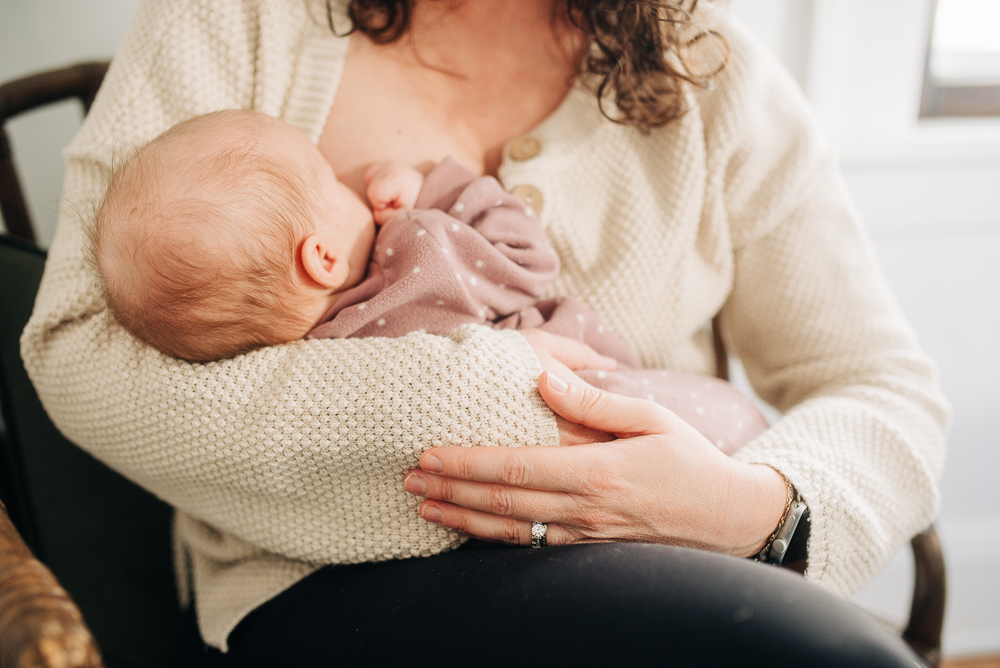
You know you’re in the thick of postpartum life when “sleep” becomes something you used to have, like a social life or pants without an elastic waistband. The first weeks (and let’s be real—months) with a newborn often mean your nights are sliced into unpredictable chunks, your mornings start before sunrise, and your brain occasionally forgets your own name mid-sentence.
According to research published in Physiology & Behavior, fragmented sleep—especially in the postpartum period—can impact memory and mood. While a full eight hours may not be in the cards right now, small shifts can help you feel more functional, more grounded, and less like a caffeine-fueled zombie.
Making the Most of the Sleep You Get
- Nap math matters. Even a 20–30 minute nap can improve alertness without leaving you groggy.
- Tag-team nights. If you have a partner or support person, split the night into shifts so you each get a longer block of rest.
- Create a quick wind-down ritual. A few deep breaths, dimming the lights, or listening to white noise can help your body shift gears faster.
Mental Health and Postpartum Sleep Deprivation
Sleep loss hits harder when you’re already juggling hormonal changes and constant caregiving. Reach out to your healthcare provider if you’re experiencing persistent sadness, anxiety, or irritability—postpartum mood disorders can be treated, and rest plays a role in recovery.
The Final Sip
Right now, “better sleep” doesn’t mean perfect sleep—it means making realistic tweaks that help you feel more human. Give yourself credit: you’re keeping a tiny person alive on a sleep schedule that would break Navy SEALs. That’s no small feat.
You don’t have to power through sleepless nights alone. Join the Everyboob community for baby feeding tips, expert-backed support, and a village of moms who know exactly what it feels like to forget their own name at 3 a.m. Because survival mode feels a lot better when you’ve got backup.
