
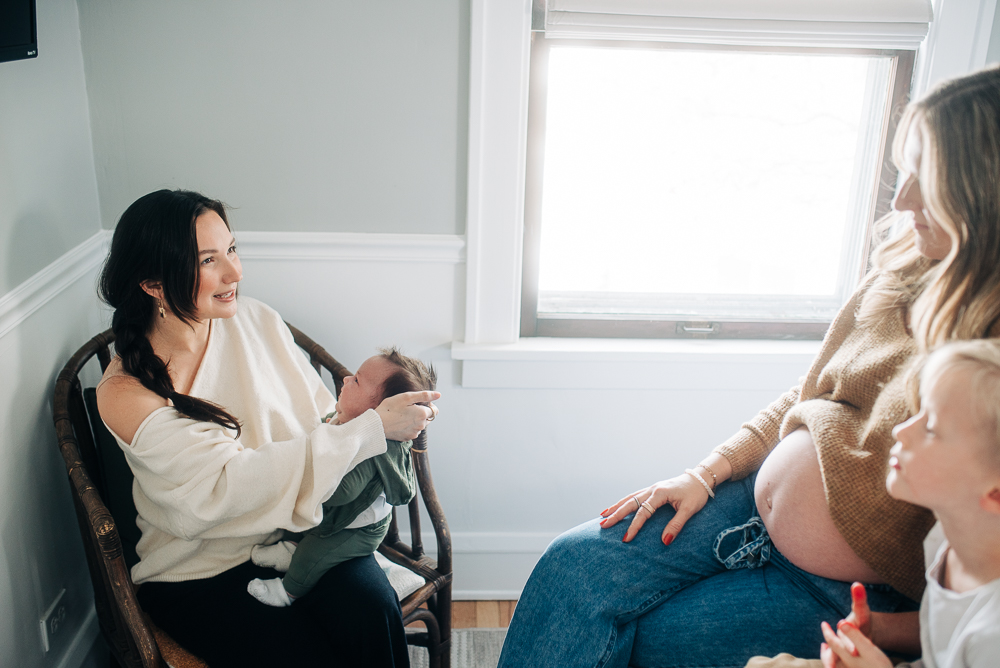
The early days of motherhood can feel like a nonstop cycle of feedings, diaper changes, laundry, and exhaustion. Somewhere between caring for your baby and trying to survive on interrupted sleep, your own needs can quietly fall to the bottom of the list.
But self-care for new moms isn’t a luxury—it’s an important part of postpartum recovery and emotional well-being. Making time for yourself supports not only your mental health, but also your ability to care for your baby with more patience, energy, and resilience.
The Unique Demands on New Moms
The early days of motherhood are filled with constant change and emotional intensity. Hormonal fluctuations, lack of sleep, and the relentless responsibilities of caring for a newborn can make self-care seem like an unaffordable luxury. The American College of Obstetricians and Gynecologists (ACOG) emphasizes that postpartum women are particularly vulnerable to anxiety and depression, highlighting the critical need for supportive self-care practices during this period.
For many new mothers, guilt becomes an unwanted companion when trying to prioritize their own needs. It’s common to feel that every minute away from the baby is a moment of neglect, even though taking care of yourself is necessary to be the best version of a parent. Research consistently shows that self-care enhances mental health and resilience, ultimately creating a more nurturing environment for your child (Mayo Clinic on Stress Management).
What Self-Care for New Moms Really Looks Like
Self-care is not about indulgence—it’s about survival and sustainability. By taking time for yourself, you’re better equipped to handle the daily challenges of new motherhood. Studies have demonstrated that mothers who engage in regular self-care experience lower levels of stress and improved emotional well-being. This directly contributes to your ability to manage the ups and downs of caring for a baby, from handling unexpected challenges to enjoying small, precious moments (Postpartum Support International).
Moreover, setting aside time for self-care can help you rebuild a sense of identity outside of being a mother. It’s an opportunity to reconnect with interests, passions, or simply moments of quiet reflection, which can be rejuvenating both physically and mentally.
Practical Strategies to Carve Out “Me Time”
Even with a newborn, making time for yourself is achievable with some practical strategies and creative planning:
- Schedule “Me Time” Like an Appointment:
Treat self-care as a non-negotiable commitment. Whether it’s 10 minutes in the morning with a warm cup of tea or a quiet evening walk after the baby is asleep, mark it on your calendar. Consistency is key; even short periods of self-care can accumulate to make a significant difference. - Break Self-Care into Small Moments:
Self-care doesn’t require long, uninterrupted sessions. It might be as simple as practicing deep breathing exercises for a few minutes while waiting for the baby’s nap or listening to your favorite song during a diaper change. Use these moments to reconnect with your own needs. - Leverage Technology:
There are many apps designed to help busy moms practice mindfulness, track self-care routines, or even schedule relaxation reminders. Tools like Headspace or Calm offer guided meditation sessions that can be tailored to fit even the busiest schedules (Mayo Clinic Mindfulness Exercises). - Simplify Your Routine:
Identify small tasks that can provide a quick boost of self-care. A 5-minute stretch session, a brief walk around your home, or a moment of quiet reflection can serve as a reset. Remember, the goal is not to overhaul your entire routine but to integrate self-care seamlessly into your day. - Create a Support System:
Don’t hesitate to lean on friends, family, or your partner. If you can arrange for someone to watch the baby for a short while, use that time to do something that replenishes you—whether it’s reading, exercising, or simply resting. This delegation is not a sign of weakness but a practical strategy to ensure you’re taking care of your own health.
The Power of Community in Reducing Guilt
Feeling isolated in your struggles is a common experience for new mothers. Connecting with other moms can make a world of difference. Community groups—whether local meetups, online forums, or social media groups—offer a space where you can share experiences, exchange tips, and gain emotional support. Studies have shown that a strong social support network is crucial in reducing postpartum stress and feelings of isolation (Postpartum Support International).
When you connect with other mothers who understand the unique challenges of balancing self-care with parenting, it reinforces that taking time for yourself is both normal and necessary. Sharing your experiences can help dispel the guilt and self-judgment that often accompany self-care efforts. In these communities, you learn that self-care is not selfish—it’s a vital component of maintaining your well-being and being the best parent you can be.
When Professional Help Is Needed
Sometimes, despite best efforts, the demands of new motherhood can overwhelm even the most diligent self-care routines. If you find that guilt, anxiety, or depressive symptoms are persistent and interfering with your ability to function, it may be time to seek professional help. Mental health professionals specializing in postpartum care can offer tailored strategies to help you navigate these challenges.
Therapies such as cognitive-behavioral therapy (CBT) have been effective in helping new mothers reframe negative thoughts and develop healthier coping mechanisms. Postpartum Support International (PSI) and ACOG offer resources and referrals for mothers who need specialized mental health support. If you ever feel that you are in crisis or unable to cope, remember that immediate help is available. In the United States, call 911 if you’re in immediate danger. For urgent mental health support, consider reaching out to the National Suicide Prevention Lifeline at 988 (US) or the equivalent service in your country. These services are vital resources for any mother struggling with severe postpartum anxiety or depression.
Integrating Self-Care as a Lifelong Practice
Self-care is an ongoing journey rather than a destination. It involves continuous learning and adaptation, especially as your baby grows and your routine changes. Celebrate small wins—every moment you dedicate to your own well-being is a victory. Over time, these small acts accumulate, creating a resilient foundation that supports both your personal growth and your ability to nurture your baby.
One practical way to build this resilience is by keeping a self-care journal. Documenting your experiences, tracking your self-care activities, and noting the positive effects on your mood and energy levels can reinforce the habit and remind you of its importance. The act of journaling itself can be therapeutic and help shift your focus from guilt to gratitude. The Greater Good Science Center at UC Berkeley offers valuable insights on how gratitude practices can transform your mindset (Greater Good Science Center).
Remember that self-care is a form of self-respect. It’s about acknowledging that you deserve care and kindness, just as much as the little one you’re nurturing. By prioritizing your well-being, you’re also modeling healthy behavior for your child, teaching them that self-respect and emotional balance are essential parts of life.
Making Self-Care a Family Affair
Sometimes, incorporating self-care into family time can be beneficial. Engaging in activities that involve both you and your baby, such as a gentle walk in the park or a playful session of baby yoga, can serve dual purposes: nurturing your bond with your child while also taking care of your physical and emotional health. These shared moments can become cherished memories that reinforce the importance of balance in your life.
Embracing a Future of Wellness
Self-care for new moms is not selfish—it’s foundational. Prioritizing your physical and emotional well-being helps you navigate motherhood with greater resilience, confidence, and compassion for yourself.
In the midst of the challenges and joys of new motherhood, remember that you deserve moments of peace and rejuvenation. Embrace the support available around you—be it from fellow moms, healthcare professionals, or community groups—and give yourself permission to prioritize your well-being. By doing so, you lay the groundwork for a healthier, happier future for both you and your baby.
