
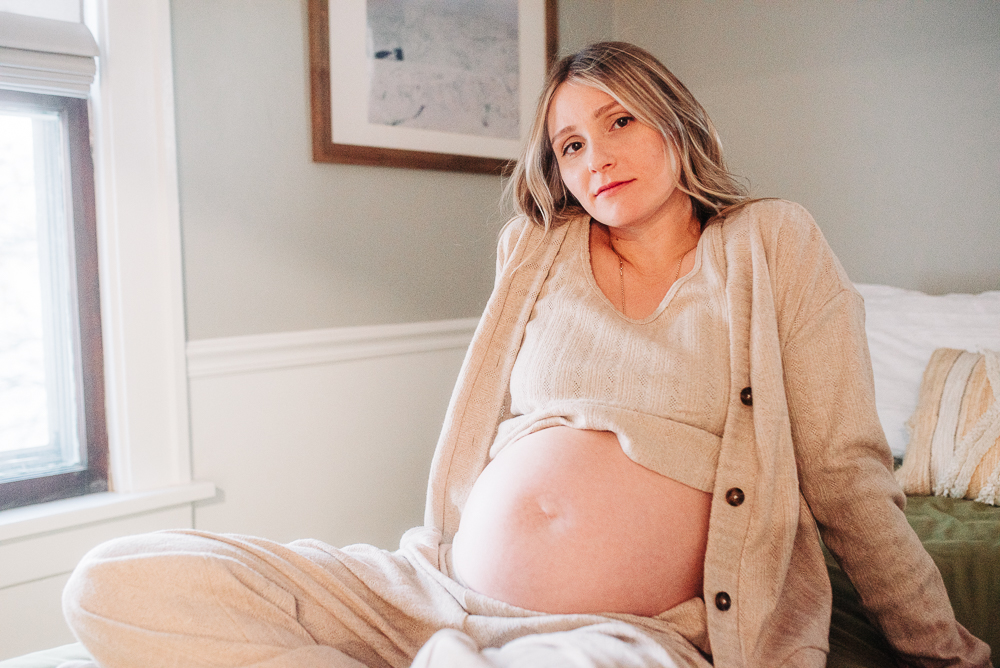
What every pregnant parent should know—without panic, but with purpose.
Some pregnancy complications come with red flashing lights. Others show up quietly and need a little extra attention to catch. Preeclampsia symptoms can be subtle, but recognizing them early makes a big difference.
Preeclampsia is a blood pressure-related condition that typically shows up after the 20th week of pregnancy. It affects about 1 in 25 pregnancies in the U.S., according to the American College of Obstetricians and Gynecologists (ACOG). While it can be serious, catching it early—and knowing what to watch for—makes a big difference.
Let’s talk signs, symptoms, and what to do if something feels off.
Preeclampsia Symptoms: What Is Preeclampsia?
Preeclampsia is a condition where a pregnant person develops high blood pressure and often protein in the urine—a sign that the kidneys aren’t filtering normally. It’s part of a group of conditions called hypertensive disorders of pregnancy and can affect organs like the liver, kidneys, and brain if untreated.
While it typically appears in the third trimester, it can also develop after birth (called postpartum preeclampsia), which is why those “just to be safe” blood pressure checks at your 6-week appointment aren’t just a formality.
Who’s at Risk?
Preeclampsia can happen in any pregnancy, but certain factors increase the chances:
- First-time pregnancy
- Multiple gestation (twins or more)
- A history of high blood pressure, diabetes, or kidney disease
- Family history of preeclampsia
- Being over age 35
- Pre-pregnancy obesity
Even without these risk factors, it can still occur. That’s why regular prenatal checkups—and paying attention to your body—matter.
Warning Signs and Symptoms to Watch For
Here’s what to keep an eye on, especially after the halfway point in pregnancy. Some symptoms overlap with normal pregnancy discomforts, which is what makes preeclampsia a bit tricky. Trust your instincts—if something feels wrong, it’s worth a call.
- Swelling (especially sudden or severe)
Some swelling is totally normal in pregnancy. But if your face, hands, or feet balloon overnight or feel unusually tight, flag it. - Persistent headaches
We’re not talking about the occasional dehydration headache—this is a headache that sticks around and doesn’t go away with water, rest, or Tylenol. - Vision changes
Blurred vision, seeing spots or flashing lights, or temporary vision loss can all be signs that your blood pressure is too high. - Upper abdominal pain (especially under the ribs on the right side)
This can feel like indigestion or a pulled muscle—but if it’s sharp, persistent, or worsening, call your provider. - Nausea or vomiting in the second or third trimester
Morning sickness usually eases by the second trimester. If it returns with a vengeance later in pregnancy, it could be a signal. - Sudden weight gain
Gaining several pounds in a few days—especially if accompanied by swelling—may be due to fluid retention. - Decreased urine output
Peeing noticeably less can be a sign that your kidneys aren’t functioning properly. - Shortness of breath or chest pain
This can happen if fluid builds up in your lungs. It’s rare but serious—don’t wait to call for help.
How Is Preeclampsia Diagnosed?
Your healthcare provider will check your blood pressure and urine protein levels regularly. If they suspect preeclampsia, they may order:
- Blood tests (to check liver and kidney function, platelet count)
- Fetal monitoring (to make sure baby is doing well)
- Ultrasounds and non-stress tests
- 24-hour urine collections or other screenings
What Happens If You’re Diagnosed?
It depends on how far along you are and how severe the condition is. Some cases can be managed with rest, blood pressure monitoring, and more frequent prenatal visits. Others may require early delivery if continuing the pregnancy becomes unsafe for you or your baby.
There’s no cure except delivery—which is why providers weigh the risks and benefits so carefully. According to ACOG, the goal is always to protect both parent and baby while giving the baby as much time to develop as safely possible.
Postpartum Preeclampsia: What to Know
Most people expect to feel better after delivery. But preeclampsia can develop—or persist—after birth. Symptoms mirror those in pregnancy and are just as serious. Call your provider or go to the ER if you experience high blood pressure symptoms after delivery, even weeks later.
The World Health Organization (WHO) recommends continued monitoring for new or worsening symptoms during the postpartum period, especially in the first two weeks.
When to Call Your Provider (or Head to the ER) for Preeclampsia Symptoms
If you notice:
- A headache that won’t quit
- Blurred vision or seeing spots
- Sudden swelling
- Sharp upper belly pain
- Trouble breathing
Don’t wait. Call your provider or go to urgent care. And if something feels off but doesn’t fit neatly into a checklist, still call. You don’t need to justify being cautious.
Final Thought: Stay Informed, Not Afraid
Knowing the signs of preeclampsia doesn’t mean you need to panic over every headache or puff of swelling. But it does mean you can advocate for yourself with confidence.
Preeclampsia is one of the most studied pregnancy complications for a reason: with the right monitoring and care, outcomes are overwhelmingly positive. Your body is doing something powerful, and it deserves attention, support, and zero judgment.
If something feels wrong, speak up. You’re not being dramatic. You’re being wise—and taking care of two people at once.
