
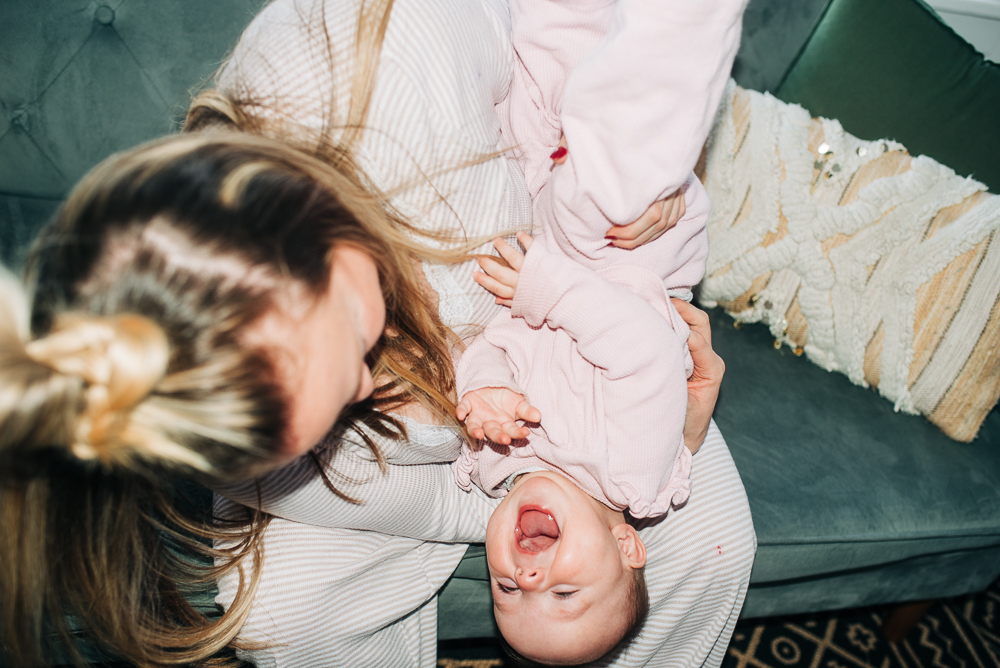
That toddler energy is adorable—until it collides with newborn fragility. You want your older child to feel included and loved, but you also need your baby safe from well-intentioned “helping.” The good news? Toddler and newborn bonding can happen safely with the right boundaries and supervision.
Creating healthy sibling relationships early on helps toddlers feel important while giving babies a calm and loving environment to grow in.
Why “Tucking In” Is a Nope (Even Though It’s Cute)
The experts are clear: always supervise toddler–infant interactions. Toddlers don’t yet understand the dangers of loose blankets, pillows, or heavy toys, and their enthusiastic cuddles can tip bassinets, cover airways, or startle a sleeping baby. The tuck-in is best left to adults—with toddler supporting quietly(ish) from the sidelines.
Safe Ways to Foster Toddler–Newborn Love
- Gentle Touch Practice
Use a plush doll to show what “soft hands” look like. Reinforce every time they interact with the baby. - Big Helper Jobs
Let your toddler hand you diapers, pass a toy, or pick out baby’s onesie. According to child development experts, giving toddlers age-appropriate tasks helps them feel proud and connected. - Story and Song Time
The CDC highlights the importance of talking and singing for early brain development. Turn it into a bonding activity by letting your older child choose the entertainment while your baby benefits from language development. - Supervised Holding
With your hands guiding, toddlers can “hold” the baby safely. Teach them to support the head and bottom, and never leave them unsupervised with the baby.
Toddler Habits That Need Adjusting
There are a few things toddlers should not do with a newborn:
- Tucking in with blankets or stuffed animals. This increases the risk of suffocation. Keep the crib clear, always.
- Climbing into the crib or bassinet. Even if it seems sweet, it can tip or trap the baby.
- Trying to feed the baby unsupervised. Bottles and purees require your hands, not toddler hands.
- Picking up or moving the baby. Only adults should carry newborns.
- Unattended play. Toddlers are naturally curious—accidents happen quickly, so supervision is essential.
Extra Safety Notes from Experts
- Never leave your newborn unattended on a couch, bed, or changing table—falls happen faster than you think.
- Keep small objects and toddler toys away from baby—choking hazards are real.
- Wash toddler hands before cuddles or shared toys. Johns Hopkins Medicine stresses this as a key way to protect newborns from germs.
