
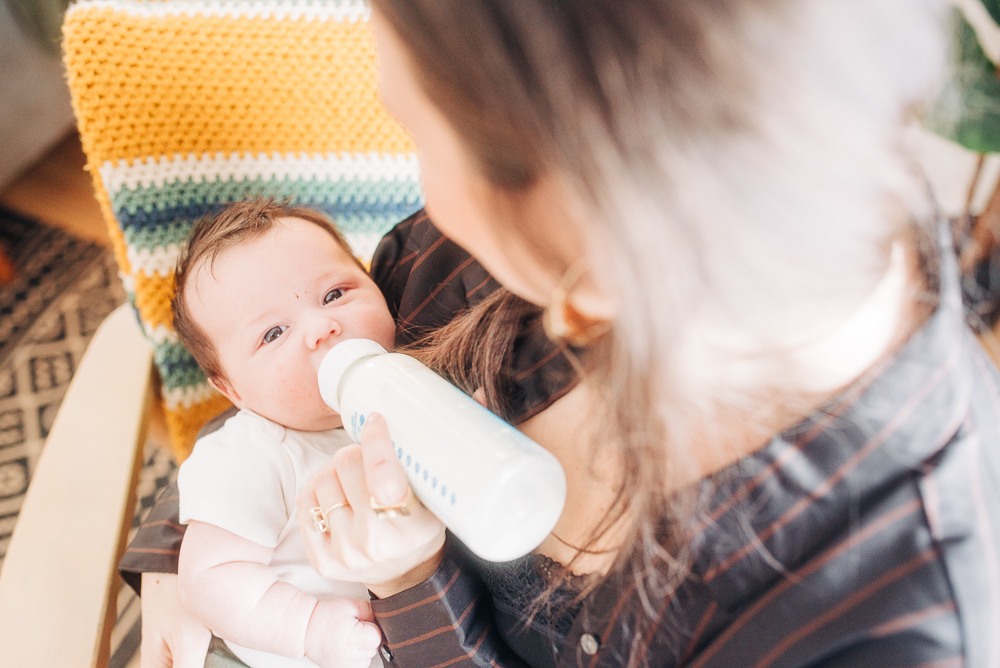
Navigating breastfeeding and pumping while working can be challenging, but federal and state laws are in place to protect your rights. Here’s an overview of the key legal protections for breastfeeding and pumping moms in the workplace.
Federal Protections Under the FLSA
The Fair Labor Standards Act (FLSA) includes provisions to support nursing moms, requiring employers to:
- Provide Break Time: Employers must allow reasonable break time for moms to pump during the workday, typically aligned with the baby’s feeding schedule.
- Offer a Private Space: Employers must provide a clean, private space (not a bathroom) for pumping. This space should be shielded from view and free from interruptions. These protections apply for up to one year after the baby’s birth. More details can be found through the U.S. Department of Labor (source https://www.dol.gov/agencies/whd/nursing-mothers).
State Laws May Offer Additional Protections
Many states have laws that expand upon federal protections, including:
- Extending the duration of pumping rights beyond one year.
- Providing stronger enforcement mechanisms.
- Allowing breastfeeding moms to nurse in public without restrictions. Check your state’s breastfeeding laws through resources like the National Conference of State Legislatures (NCSL) (source https://www.ncsl.org/research/health/breastfeeding-state-laws.aspx).
Break Time and Compensation
Under the FLSA:
- Unpaid Breaks: Employers are not required to pay for pumping breaks unless the employee is already entitled to compensated breaks.
- Paid Breaks: If other employees are allowed paid breaks, nursing moms must also be compensated during their pumping sessions if they use that time concurrently.
What to Do if Your Employer Doesn’t Comply
If your employer does not provide adequate pumping accommodations, you can:
- Work with HR: Many situations can be resolved by discussing your needs with Human Resources or management.
- File a Complaint: Contact the U.S. Department of Labor to file a formal complaint (source https://www.dol.gov/agencies/whd/complaints).
- Seek State-Level Remedies: Some states have additional enforcement agencies to handle violations.
Small Business Exemptions
Businesses with fewer than 50 employees may be exempt if they can demonstrate that compliance would impose an undue hardship. However, this exemption is rare and must be legally justified.
Public Breastfeeding Rights
Federal law and most state laws protect your right to breastfeed in public spaces. The Affordable Care Act (ACA) also requires most health insurance plans to cover breastfeeding support, counseling, and equipment (source https://www.healthcare.gov/coverage/breast-feeding-benefits/).
Tips for Advocating for Your Rights
- Educate Yourself: Know the laws in your state and your federal protections.
- Communicate Clearly: Inform your employer about your needs and provide solutions to help accommodate your schedule.
- Seek Support: Organizations like the La Leche League and local breastfeeding coalitions can offer advice and advocacy resources (source https://www.llli.org/).
Empowered and Protected
Knowing your legal rights as a breastfeeding and pumping mom empowers you to confidently navigate work, public spaces, and other environments. These protections ensure that you can provide for your baby without unnecessary stress or barriers.
References:
- U.S. Department of Labor: Nursing Mothers’ Rights (source https://www.dol.gov/agencies/whd/nursing-mothers)
- National Conference of State Legislatures: State Breastfeeding Laws (source https://www.ncsl.org/research/health/breastfeeding-state-laws.aspx)
- Healthcare.gov: Breastfeeding Benefits Under the ACA (source https://www.healthcare.gov/coverage/breast-feeding-benefits/)
- La Leche League: Advocacy and Support (source https://www.llli.org/)
